Post-move cleaning: a proven checklist of tasks and hidden nuances
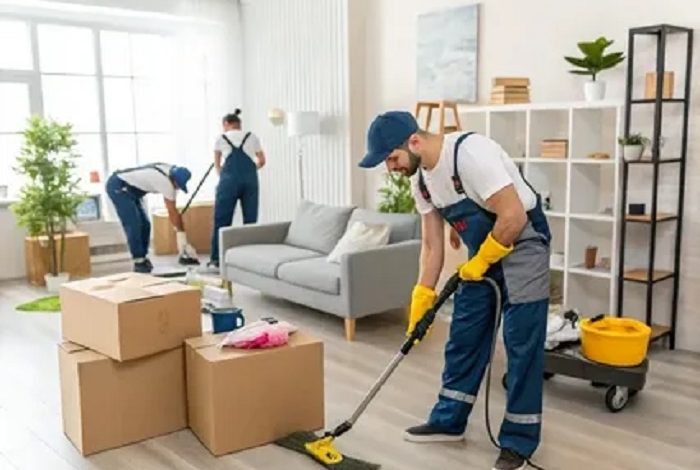
A move almost always leaves behind two spaces that require attention: the old home needs to be handed over in decent condition, and the new one needs to be prepared for comfortable occupancy. Post-move cleaning differs from regular cleaning in that its goal isn’t to “freshen up” but to bring the premises up to a clear standard of cleanliness: removing traces of use, transport, construction dust, and accumulated dirt.
To avoid dragging the process out for weeks, it’s important to divide the tasks into zones, estimate the scope of work in advance, and choose the right sequence of actions. Below are practical tips from handyman Helsinki that will help you clean faster, more efficiently, and cost-effectively.
How post-move cleaning differs from regular cleaning
The main difference is that cleaning is carried out either in an empty space or with furniture and boxes partially arranged. This changes the approach: in an empty home, it’s more convenient to work “top down,” while in an occupied home, you have to plan access to surfaces and protect things from dust and moisture.
Two tasks: “hand over” and “move in”
- Cleaning before handing over usually requires a neutral result: no streaks, odors, or debris, with clean plumbing, kitchen, windows, and floors.
- Cleaning before move in often goes deeper: treating hard-to-reach areas, eliminating foreign odors, disinfecting high-contact surfaces, and cleaning cabinets inside.
Hidden areas that are often forgotten
- Top of cabinets and mezzanines, cornices, ventilation grilles.
- Space behind/under the refrigerator, stove, and washing machine Machine.
- Traps, drain grates, tile joints, and sealant in wet areas.
- Door panels around the perimeter, handles, switches, baseboards.
How to prepare an apartment before cleaning: checking utilities, access to water and electricity
Before cleaning after moving in, it’s important to ensure that the apartment has stable access to water and electricity, and that key utilities are in good working order. This reduces cleaning time, prevents emergencies, and helps avoid additional costs.
Preparation takes 15-30 minutes, but eliminates most organizational problems: cleaners can get to work right away, and you will understand which areas are safe and which tasks require special attention.
Checking Utilities and Organizing Access
1) Water and Sewage
- Check for hot and cold water: open the taps in the kitchen and bathroom, and assess the pressure and temperature.
- Inspect faucets, traps, flexible hoses, and connections for leaks.
- Check the drain: make sure the water drains quickly and is odorless; If the drain is slow, it’s best to clear the blockage before cleaning.
- Check the location of the shut-off valves and access to them (under the sink, in the bathroom, in a cabinet/niche).
2) Electricity and Lighting
- Make sure the power supply is connected and the circuit breakers in the electrical panel are turned on; If necessary, label the circuit breakers or photograph the diagram.
- Check the lighting in the main areas: kitchen, bathroom, hallway, and rooms.
- Check 1-2 outlets in each room (especially where a vacuum cleaner, steam cleaner, or appliance charger will be used).
- Ensure access to the electrical panel and do not clutter it with boxes.
3) Ventilation, Windows, and Safety
- Ventilate the premises before cleaning, especially if there is a smell of building materials, furniture, or dampness.
- Check whether windows/vents open; For complex mechanisms, leave brief instructions.
- If there is gas equipment: ensure access to the gas shut-off valve and check for gas odor.
- Remove sharp objects, construction debris, glass, and loose items from walkways to reduce the risk of injury.
4) Preparing the space and water points
- Make sure the sink/tub can be accessed to fill and drain dirty water.
- Dedicate a place for equipment (buckets, mops, appliances) to avoid carrying them around the apartment.
- Collect small debris and packaging in bags: this way, cleaning will begin with cleaning the surfaces, not clearing up debris.
- If there are new flooring (parquet, stone, matte facades), clarify the acceptable cleaning products in advance and post recommendations in a visible place. location.
5) Access, Keys, and Organizational Details
- Ensure access to the apartment and water/electricity for the entire cleaning period (keys, intercom, access pass, parking).
- Alert cleaners about inoperative areas (e.g., no hot water, low pressure, some outlets are unplugged).
- Separately designate items that should not be touched and priority cleaning areas.
Bottom line: a prepared apartment means working utilities, easy access to water, electricity, and key areas, as well as clear organizational conditions. Such preparation speeds up cleaning after the move, makes the result more predictable, and reduces the risk of breakdowns and force majeure.