How to steer a yacht: basic steering, mooring, and safety tips
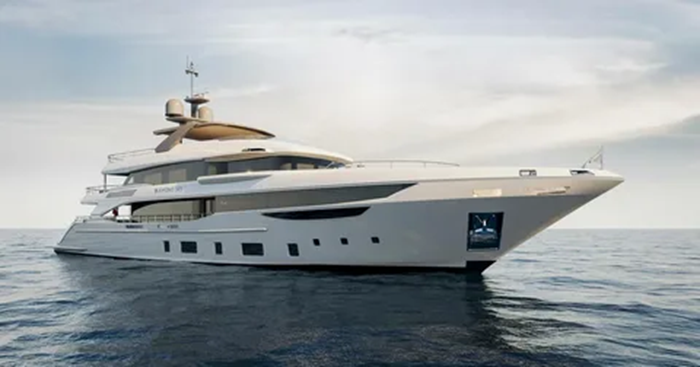
Yacht control doesn’t begin with turning the wheel, but with understanding how the vessel reacts to wind, waves, and inertia. A yacht doesn’t “drive” like a car: it glides, has a delayed response, and requires a well-thought-out maneuver, especially in confined waters.
To feel confident, it’s important to practice the basics: preparing for departure, operating the engine and sails (if applicable), mooring, safe navigation, and communicating with the crew. Below is a practical diagram that will help you quickly organize your thoughts and act consistently.
Practical tips that really help
Mooring means controlling your speed and planning your actions. It’s better to approach slowly and try again than to push the maneuver.
- Prepare mooring lines and fenders in advance: there’s no time to untangle ropes on the approach.
- Keep a minimum manageable speed: an extra knot turns into extra impact force.
- Use short engine pulses: this ensures precision.
- Appoint one commander: the crew listens to one person to avoid conflicts.
Anchoring: How to Stand Still
A good anchoring is the right place, sufficient chain/rope length, and making sure the yacht doesn’t creep.
- Choose the ground: sand and silt usually hold Better than rocks and seaweed.
- Give sufficient “cast”: the stronger the wind, the longer the anchor line needs to be.
- Check the hold: after setting, make a test reverse run at low speeds.
Navigation and Safety on the Water
Even in familiar waters, act systematically: look ahead, check the depth, and maintain contact with the shore or marina if necessary. If you’re planning a charter and want to select an area, boat, and conditions based on the crew’s experience, it’s a good idea to consult with a yacht charter advisor to avoid routes with challenging currents and congested marinas.
- Keep an eye out: one person keeps an eye out, while the other can monitor the chart/instruments.
- Observe passing rules: assess approaching boats in advance and make decisions without abrupt maneuvers.
- What-if plan: engine failure, worsening weather, or an injury onboard – discuss the actions in advance.
Preparing for departure: checking the hull, engine, fuel, and batteries
Before setting out to sea, the captain is responsible not only for the route and maneuvers, but also for the technical readiness of the vessel. A short but consistent inspection reduces the risk of breakdowns, loss of propulsion, and emergency situations.
Make inspection a routine: note any issues and address them before departure. If there are any doubts about the serviceability of key systems, departure is postponed.
Pre-Departure Checklist
1) Hull and Deck
- Inspect the hull for cracks, chips, impact marks, and leaks at the waterline.
- Check seacocks/overboard openings: they open and close, there are no leaks, and the clamps are tight.
- Make sure hatches, portholes, and locker lids close tightly; Seals are intact.
- Check the rails, pulpits, gangway, anchor gear, fender and mooring line fastenings.
- Check the bilge: dry, pump working, there is a backup manual pumping method.
2) Engine and Systems
- Check the oil level, coolant (if equipped), and the absence of emulsion and leaks.
- Inspect belts, hoses, and connections: cracks, chafing, traces of salt/corrosion.
- Start the engine in neutral: smooth operation, normal smoke, stable rpm.
- Check the cooling: a confident stream from the exhaust/temperature control.
- Forward/reverse gear shifting at idle: engages smoothly and delays.
3) Fuel
- Evaluate the remaining fuel and planned consumption: allow for wind, current, and waiting at entrances/locks.
- Check for the absence of fuel odor in the hold and compartments; Inspect the lines and filters.
- If there is a water separator, drain the sediment and ensure it is clean.
- Plan for refueling: approaches to the gas station/marina, operating hours, depth at the berth.
4) Batteries and Electrical
- Check the charge of the service and starter batteries, the tightness of the terminals, and the absence of oxidation.
- Make sure the battery switches are in the correct position for exiting.
- Check the operation of the navigation lights, water pump, radio, and fish finder/chart plotter.
- Prepare power sources for communication and navigation: spare cable/power bank, fuses.
Summary: Safe yacht operation starts before you leave the pier. Regularly checking your hull, engine, fuel, and batteries gives you predictability on the voyage and time to solve problems on shore, not at sea.