Practical tips and guidelines for a successful DIY basement renovation
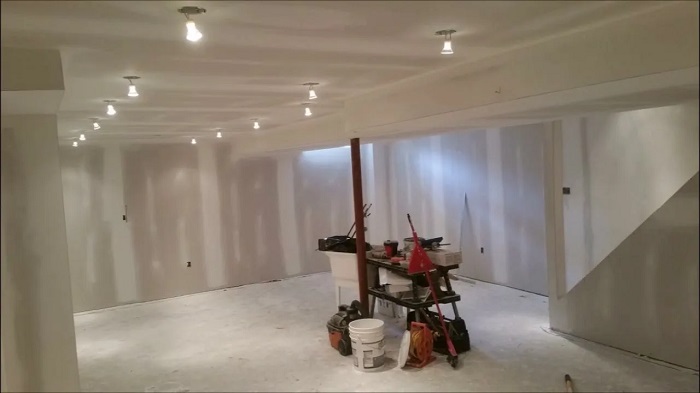
Basement renovation is an important step in improving the comfort and safety of your home. Properly performed work will help prevent dampness, mold, and other problems associated with the use of this space. This article on website discusses popular renovation methods, key rules, and helpful tips for homeowners to ensure maximum efficiency and longevity.
You’ll also learn how to properly prepare your basement and tools, select materials, and determine the sequence of actions. Following these recommendations will significantly simplify the process and achieve good results in the shortest possible time.
Waterproofing: Effective Materials and Techniques for Protecting Your Basement
Properly installed waterproofing is essential for reliably protecting your basement from moisture. Insufficient or improperly installed waterproofing can lead to mold growth, structural damage, and poor living conditions. Therefore, before starting work, it is necessary to consider the soil characteristics and groundwater levels to select the optimal materials and protection methods.
The choice of suitable waterproofing materials depends on operating conditions and budget. Among the most popular and effective options are bituminous mastics, rolled materials, and modern polymer- and polyurethane-based compounds. Using combined techniques, such as applying a waterproofing membrane to the exterior of the foundation and internal waterproofing of the basements, ensures reliable protection and a long service life.
Effective Waterproofing Materials
- Mastics and bituminous materials: quick to apply, ideal for sealing seams and joints. Provides good moisture protection when applied correctly.
- Roll materials: such as polystyrene foam, bituminous, and PVC membranes. Provides long-term protection, especially when used in external anti-parasite and waterproofing systems.
- Modern polymer compounds: polyurethane foam, epoxy resins, waterproofing foams. They have high adhesion, elasticity, and resistance to mechanical damage.
Waterproofing Techniques
- Treating the interior surface of the floor and walls with mastics or applying waterproofing solutions, which create a waterproof layer.
- External waterproofing installation using roll materials or diffusion membranes, which are laid on a pre-prepared base.
- Sealing seams and joints with special sealants, which prevents moisture penetration through the most vulnerable areas.
- To improve efficiency, it is recommended to combine internal and external waterproofing methods, as well as regularly monitor the condition of the protective layers.
Moisture Elimination: Installation of Ventilation Systems and Use of Dehumidifiers
Efficient moisture elimination is achieved through the proper installation of ventilation systems, as well as the use of Specialized dehumidifiers. Let’s look at the basic recommendations and methods that will help ensure long-term basement dryness.
General Recommendations for Installing Ventilation Systems and Using Dehumidifiers
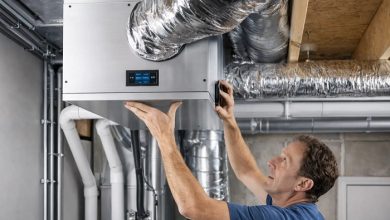
Ventilation systems should be designed based on the room’s size and purpose. Typically, exhaust and supply fans are used, connected to the outside of the building via ducts. It’s important to ensure constant air exchange to remove excess moisture and odors.
Dehumidifiers are suitable for localized removal of excess humidity. They are selected based on the room’s volume and humidity level. Regular maintenance, filter replacement, and timely refilling or replacement of dehumidifier elements ensure their effectiveness.
In conclusion, proper installation of ventilation systems and the use of dehumidifiers are key components to successfully eliminating basement moisture. By ensuring high-quality air exchange and humidity control, these measures prevent mold growth, preserve the building’s structure, and create comfortable indoor conditions.